10/05/2009

Panaw Latas Sa Kapintas ni Ondoy

Ni E.S. GODIN
Mga hulagway kuha sa tagsulat


KAADLAWON pa lang sa Biyernes, nagbunok na ang kusog nga ulan ug molunay lamag kadiyot mobalik na mag kusog. Gitaho sa PAGASA nga nagdangarang ang bagyong si Ondoy ug gibanabana nga moigo sa Metro Manila pagkahapon sa Sabado, Septiyembre 26, 2009.

Sanglit half day ra mig Sabado, maoy diha sa hunahuna ko ang pagpaulig sayo kay budlay kon hiabtan sa grabeng trapik. Apan mag-alas onse na lang sa udto wa pa ko makagawas sa among buhatan. Seguradong makakaligo kon mosungasong sa ulan. Si Ely nga gikan sa gawas naghingasoy nga lawom na ang tubig ug nagsikadsikad na lamang siya pasulod sa Intramuros. Ang ubang kaubanang dunay mga sakyanan nanagsugod nag katarantar— dili sa grabeng baha apan sa wa nay kalutsan dulot sa wan-a mag-irog nga trapiko.

Mag-alas dose na dihang midesisyon kong magpaduas sa ulan. Apan dili malalim ang buhos sa tubig. Sa Kalye Muralla tagatuhod na ang tubig. Kuyog sa kaopisinang Mora, nagpahatod mig sikadsikad tabok ngadto sa estasyon sa LRT sa Central. Di na bale ang P100 nga pangayo sa tawo, ang importante nga makaabot ngadto sa estasyon sa tren. Pero tabla rag wa mi manakay adto kay pagtabok namo sa dakong dalan atbang sa Manila City Hall, tagahawak na ang tubig. Unya pagtunda na unta namo sa silong sa LRT, gipugngan sa lispo kay aron kuno dili mosamot kahuot ang agianan. Napugos mi paglusad sa tubig nga igo gyong misangyad sa akong puyohi. Sus, katugnaws inatay!

Pagsaka namo sa LRT, naghuot ang mga tawo. Din-a maila ang linyas manglukatayg tiket kon hain ra mag-agi. Pero wa gihapoy sapayan. Ang hinungdanon nga may kasakyan. Sa isip-isip ko, sa ingon kadakong baha, seguradong ang tren na lay bugtong kasakyan. Ug kon makaabot lang kog Balintawak, adto na lang ko moatang og bus pauli sa San Jose del Monte, Bulacan. Busa, ang akong destino pa-Monumento pinaagi sa tren. Gikan didto mosakay na lamag dyip pa-Balintawak.

Aguyyy! Naunsa man ka nga pag-abot nakog EDSA-Monumento (twa. hulagway sa ibabaw, mga tawong nanagpayong) estranded na man sab ang mga sakyanan. Lapas sa tuhod ang tubig nga nakapahimong morag dakong sapa sa lapad nga EDSA. Bisan sa nagkanuos nga ulan, kay mag-alas tres na sa palis, kuyog sa panon sa mga tawong nanglakaw, misugod kog baktas paingon sa Balintawak. Sa hunahuna ko pa, segurado nang makasakay didto kay morag imposible nang lanapan pa sa tubig ang modernong dalang NLEX. Bisan sa kakusog sa ulan, alegre ang binaktasay tungod sa kadaghan sa tawong may sagol kanunayng mga siaw. Sigeng singgit-singgit ang uban nga morag nagrali: Ibagsak si Gloria!

Pag-abot nako sa nanagsapawng tulay sa Balintawak, diha ko pa hiamgohi ang makalup-og nga kahisagmuyo. Di na madasdas sa dagkong bus ang ilawom sa EDSA kay lapaw na sa tawo ang tubig. (Twa. sa hulagway, dili na makita kanang sementong ali sa tunga tungod sa kalawom sa tubig.) Ang mga Santrans nga maoy mobiyahe padu’ng sa amo, minghanag sagka sa ibabaw pagpangitag kalutsan apan wan-ay kaagian. Nasera ang tanang dalan sa naestranded nga mga sakyanan. Sa tan-aw nako, di madalig kabadbad ang maong trapik. Ug kay labihang basaa na nako, wa nay kapuslanan ang pagbalik sa agi. Busa, kaysa magtungok sa katugnaw, mas maayo pang ihinay-hinay og lakaw.

Dihadiha, nangita kog kalutsang makalapos sa NLEX. Ug unya, ang makutas nga pagbaktas uban sa pipila na lang ka nanaghut-ong-hut-ong nga katawhan. Sagol-sagol ang rumbo— dihay mouliayg Malolos, dihay pa-Bocaue, dihay pa-Valenzuela, Meycauyan, ug sa sama nakong motungas pas San Jose del Monte. Walay wala mabasa kay bisan kadtong dunay dalang payong hampakon man matag karon ug unya sa kusog nga hangin ug ulan. Mas makahilap sa balatian ang dunay dalang mga bata. Pero tanan lagmit usa ray diha sa hunahuna: ang makauli na aron makalingkawas ug masusi ang kahimtang sa isigkapinuy-anan.

Samtang gabaklay, pasiplatan nakog panagsa ang nanagsiyok nga mga posteg alambre sa kuryente, mga billboard nga nanaglagapak, mga kahoyng way puas nga gikuray sa hangin. Dili angayng mokompiyansa kay tingali pa mag may mokalit paghagsa busa kanunay kong gitantiya ang distansiya niini. Lapad ang NLEX nga walay bisan usang sakyanang nagdagan ug sa banabana nako, duna pay igong kaiplian kon simbako may daotang mahitabo.

May mga taga highway patrol ug sa paniid ko, nanagbantay ug nanagmonitor sa sitwasyon. Salamat kay mitugot sab sila sa among pagbaktas: "Sige, kesa mag-antay kayo sa wala, maglakad-lakad na lang. Ang Valenzuela 3 km. lang ‘yan, pwedeng lakarin," maoy pu’ng sa usa. Pagsuling nako sa signboard sa kilid, sus inahak, 10 kilometros pa ang Marilao diin didto posibleng makasakay na kog dyip lahos sa amoa. Pero wa nay kapilian, alang-alag mobalik pa, hala na lang, padayon sa panaw.

Sa duol-duol na mi sa Malinta exit, diha na poy panon sa mga sakyanan nga nangaungot. Ngano kaha? Sus, mao diay kay ang nawawog nga bahin sa dayon nang flyover (twa. hulagway diin nanagpaabot ang mga tawo ug mga sakyanan samtang ang ubang tawo namidpid sa daplin nga makalabang) lawom sad kaayog tubig, lapaw sa tawo. Ang ubang mga tawo namidpid sa kilid, pero kinahanglang langoyon. Di ko magsilbi, sa hunahuna ko pa, kay may dala kong bag diin giseguro ko lag putos sa selopen ang kamera, selpon ug pitakag mga tsekeng ipadalahay sa mga writer. Hayag pa sa among pag-abot didtong dapita ug sa tantong uestambay, naabtan mig kilumkilom. Bubentaha kay taligsik na lang apan wa gihapon ko kabuylog panguhag retrato kay delikadog tuphon sa tubig ang kamera.

Dangtag mga tunga sa oras, misulayg ubog ang nahauna sa larayng dakong trak (close van) sa Sterling Paper Co. ug sa dihang sa tan-aw ko nga molahos, midali-dali kog kapyot sa luyo uban sa lain pang tulo ka tawo. Pagdunggo namo sa pikas tampi, daling gikupogan sa mga tawo ang trak diin mipahibalo ang drayber nga pa-Bocaue lang sila. Wa ko motiwas og sakay sa kabalaka nga tingalig masaag na hinuon. Ug busa, padayon sa pagbaktas.

Human sa mga tulo ka kilometrong gibaklay, diha na say laing lawod sa tubig. Mga 500 metros ang gilapdon pero bubentaha kay madala rag ubog. Sa lawom-lawom nga bahin, manungtong mi sa sementadong ali sa tunga sa haywey ug adto mi manglatay nga makatabok. Dili su’g ang tubig busa way kuydaw kon maligas sa mga 12 pulgadas lang nga gilapdon sa among gilatayan gawas lang niadtong dili maantigong molangoy.

Pagsapong namo sa pikas mamala, laing makaugtos nga pagbaktas. Apan sa dapit na sa Marilao, diin may laing sapa kansang taytayan gilapawan, laing kalbaryo na usab nga makalilisang. Morag dagat ang palibot kansang lupa-lupa nga mao kintay sapa, nawagtang. Ang tubig misaop sa nanguhay na untang kahumayan ug miawas sa sementadong ali sa tunga sa NLEX (makita sa hulagway ang nag-overflow nga tubig sa pikas dalan, diin diha mahulog ang akong reading glass) nga nakapahimo niining daw busay nga lisod masungasong paglabang sa tawhanong umoy. Ang lain nakong gikabalak-an, pastilag moariyag kalit ang tupong-sa-liog nga sementadong ali sa tunga, kadako kaha sa tubig nga among sagubangon. Tagatuhod ra ang tubig sa pikas karsada habig sa inambakan apan labihan kasulog. Dihay pipilang nangaresgar paglabang pero dihang nakitang nangatumba ug gipang-anod, wala na mi nahimo gawas sa paghinud-ong na lamang sa makalilisang talan-awon. Hinuon, sagad niadtong nangaanod nakakapyot ra sa mga kahoy sa kadaplinan ug nakakawas rag balik. Ang wala nako matataw kon tanan ba kanila nakalingkawas. Dulom na niadtong tungora ug nakahatag lag diyotayng dan-ag ang mga suga sa mga sakyanang nanaghulat sab didto sa layong atbang.

Laing mga tunga sa oras ang milabay una manglabang ang mga tawo. Misunod ko sa panon pero pag-abot sa tunga, mihunong ko kay napanid-ang nakahatag dugang kalisod ang wa nako mahubong sapatos. Pero dihang nanguma kog maayo sa tunga aron unta paghubo niini, laing panon sa mga tawong nanaggunitay paglabang minghasmag kanako luyo sa akong pagpugong ug pagsinggit og kadiyot una. Gawas nga ngitngit na, ang tiningob nilang kusog tingali lisod nang kamenoran maong nasahid ko nila ug maayo gani kay nakahigayon ko pag-ulyahot sa ilokan sa usa ug wa ra ko matumba. Ang nakadaot kay ang akong reading glass nga gikaw-ing ko kanunay sa akong agtang, nasahilan diay ug nahulog sa nagbagudlos nga tubig.

Sa bukana sa Marilao exit mismo, tagahawak sab ang tubig. Pero sayon rang maubog lahos sa tollgate. Wan-a nako isul-ob og balik ang gihubong sapatos. Sementadong kalsada ang among gisubay apan kaduha kun katulo ko makasindol og saag nga isda. Grabe kalang-og ang tubig tungod sa daghang dagkong piggery ug poultry sa dapit nga giabot usab sa baha. Lahoson unta namog tabok apan sa unahan dapit na sab sa tulay (sa hulagway, mao kanang taytayana ang gilapawan diin kanang sanga sa akasya dapit sa tunga mailang giabot pa sa tubig gumikan sa mga sagbot/basurang nangasangit), mga doble na sa tawo ang giladmon sa tubig ug kay may bahing masigpit, seguradong labihan kasulog niini. Namalik mi sa mabaw nga bahin ug didto nagtutaghulat pag-estorya.

May tinugyanan sa barangay nga nanapit pag-adto sa ilang barangay hall diin mahimo ming adto magpalabay sa oras. Apan wa dangtig dugay, diha nay bus nga nakalusot. Naneguro kog uliot sa nanagdasok nga pasahero. Wala man kini makalarga dayon kay nagpaabot pang mohubas-hubas ang tubig igong makaya paglabang, ingon sa napaneguro ko nang makauli gyod ko niadtong gabhiona. Mag-alas dose gyod sa tungang gabii nga nahiabot ko sa balay. Pait kadtong maong panaw, apan salamat nga ingon ra niadto ang among nasinati. Mas sakit pa diay ang nakita natong mapait nga mga talan-awon sa telebisyon.—

9/03/2009

Mga opisyal sa FAMAS nanumpa

TNB, Bisaya Septiyembre 16, 2009

Gipapanumpa ni Presidente Gloria Macapagal-Arroyo sa ilang katungdanan ang bag-ong nangapiling mga opisyal ug direktor sa Filipino Academy of Movie Arts and Sciences (FAMAS) nga gipahigayon sa Malacañang niadtong Agosto 27, 2009.

Ang pagpanumpa gipangunahan ni Angelo "Eloy" Padua, presidente ug ubang mga opisyal ug mga direktor nga sila si: Alice H. Reyes, 1st vice-president; Elvira Gonzales, 2nd vice-president; Amalia Rosales, treasurer; Florence Tañagras, secretary; Dennis Aguilar, PRO; Art Tapalla, auditor; ug mga direktor nga sila si Domingo Landicho, Saturnino Sofranes, Reynaldo Duque, Efren Montano, Ner Jedeliz, Apolonio Reyes, Wilberto Villamin, ug Edgar Godin.

Nanumpa usab ang mga tsirman sa mahinungdanong mga komite nga mao sila si Junne Quintana ug Brian Lu, external affairs; Junne Quintana, special awards committee; Vir Mateo, screening; Elvira Gonzales, membership ug Alice H. Reyes, internal affairs. Mga legal council sila si Atty. Rhoniel O. Redula ug Atty. Raul B. Marifosque samtang sila si Tita Arcilla ug Fernan Reyes mga adviser.

Ang gipapanumpang FAMAS Board nangapili sa eleksiyong gipahigayon human sa pagtaliwan ni Arturo M. Padua niadtong Marso.

Sa pagkakaron, nangandam na ang grupo alang sa 57th Annual FAMAS Awards Night nga ipahigayon sa Oktubre 2009.--

7/29/2009

DepED ORDER: Use mother tongue to improve learning

Bisaya Agosto 12, 2009

The use of the mother tongue as primary medium of instruction from pre-school up to at least grade three is now a Department of Education policy, Secretary Jesli A. Lapus announced last July 14.

DEP-ED Order No. 74, series of 2009, nullifies the 35-year old bilingual directive laid down in the 1970s on English and Filipino as the only languages of instruction. Neither English nor Filipino is the first language (L1) of most Filipinos.

The historic policy widely referred to as mother tongue-based multilingual education (MLE) aims to improve learning outcomes and promote Education for All (EFA), Lapus said.

Citing findings from international and local research, he stated that:


  • Learners acquire reading skills more easily in their first language (L1) than in a second language (L2);
  • Pupils who start to speak, read and write in their L1 learn an L2, like English, more quickly than those exclusively taught in an L2.
  • Learners develop cognitive, linguistic and academic competencies much faster in their L1 than in an L2.

Under the new order, Filipino and English will be taught as separate subjects in the early grades and will be used as media of instruction when students are "ready". This means, when they have gained sufficient proficiency in the two L2s, as determined by DEP-ED. English and Filipino will remain the primary languages of teaching in high school, with the mother tongue as auxiliary and supplementary medium.


Lapus clarified that MLE will only be implemented at the level of the school, division and region after meeting certain conditions. These include: the establishment of a working orthography or spelling system; the formation of a technical working group to oversee the program; the development, production and distribution of culturally relevant but inexpensive L1 materials; in-service MLE training of teachers; the use of L1 for testing; and maximum participation and support from the LGU, parents and community under the concept of school-based management. The new policy also extends to the alternative learning systems and the madaris schools.


Philippine education stakeholders and linguistic experts have been clamoring for a change in the language-in-education policy. They have identified the disparity in the home and school languages as a major factor in the worsening functional literacy levels, high drop-out rates, and low learning outcomes among Filipino pupils.


Dr. Ricardo Ma. Nolasco of the UP Department of Linguistics noted that two out of three Filipinos, between the ages 10-64, do not understand what they are reading, based on the 2003 FLEMMS survey. According to the 2008-2009 results of the national career assessment examination (NCAE), the reading comprehension and verbal abilities of 4th year high school students are at a low 49.1 and 43.0 respectively for the public schools, and 57.9 and 52.1 for the private schools.


Representative Magtanggol T. Gunigundo I of the second district of Valenzuela praised Lapus for finally looking at the linguistic research and not relying on the anecdotal evidence. According to the Valenzuela solon, the new policy protects the Filipino children’s right to be educated in their own language, and at the same time builds a strong foundation for learning English and Filipino as languages of wider communication. He also urged his colleagues in Congress to set aside a portion of their countryside development fund for teacher training and graded materials development in the L1.


Mel Awid of the Translation Association of the Philippines expressed her organization’s willingness to provide DEP-ED with the necessary language and literacy expertise for preparing big and small books in the local languages. She also said that the responsibility of developing L1 materials should primarily rest on the language communities themselves.


NAKEM International, an association of Ilocano educators and writers, through its president Aurelio Agcaoili, lauded the new policy as ushering a new period of linguistic and cultural justice in the Philippines.


Ateneo de Davao University professor and Palanca awardee Macario Tiu disagreed that the new language in education policy should stop at grade three and maintained that it should proceed all the way up to college. "All the advanced countries in the world teach their students in their own languages," Tiu added.


Dr. Paraluman Giron, CALABARZON DEP-ED regional director allayed the fears of parents that the new directive will negatively affect the learning outcomes of their children. She recounted MIMAROPA"s successful experience in using MLE in mathematics education under the "Double Exposure in Mathematics."


The change in language-in-education policy in the Philippines comes in the heels of Malaysia’s reversal of its English-only policy in teaching mathematics and science. Deputy premier Muhyiddin Yassin said that the government is convinced that science and math need to be taught in a language that will be easily understood by students, which is Bahasa Malaysia in national schools, Mandarin in Chinese schools and Tamil in Tamil schools.
There are around 170 languages in the Philippines, the top 12 of which are spoken as L1s by 95% of the populace.


(The 170+ Talaytayan MLE consortium is an alliance of education stakeholders from the University of the Philippines, Philippine Normal University, Mariano Marcos State University, Ateneo de Davao University and other teaching institutions, and includes non-government organizations, like Save the Children, NAKEM International, DILA Philippines and the Translators Association of the Philippines. It is headed by Dr. Ricardo Ma. Nolasco of the UP Department of Linguistics and may be contacted at 926-9887 or at rnolasco_upmin@yahoo.com)

7/18/2009

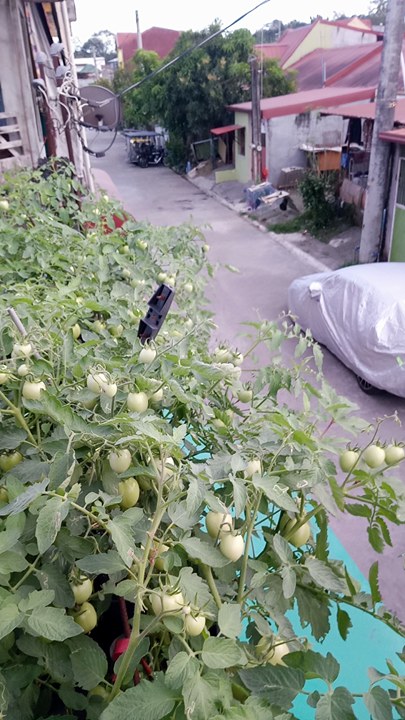
Oh, akong Kamatis!


SA gamayng nataran sa among payag, sa bag-o namong gipuy-an sa Bulacan, nabuang kog pananom og mabisan unsang madali-dalig utan.

Kining kamatisa maoy resulta sa akong kayabag. Di diay tingali tinuod nga pansil na ang kayutaan sa atong nasod nga Pilipinas.

Dili pod igong alibay nga kuno dili kapananom kay walay yutang katamnan. Sa tinuod lang, kining lunaa nga akong gikalingawag pananom bale rag 4.5 x 3.5 metro kuwadrado.

Pero kompletos rekados ni, kon mangiliw kag utang linaw-oy o utan Bisaya.

Sulod aning gamayng luna, dunay petsay, kamote, okra, haybrid nga tangkong, upat ka punoang kamunggay, ubp. Ang tangad, alugbati, sibuyas, sili, luy-a ako lang gipananom sa mga kaang, mga balde ug plangganang guba.--

MISS EARTH 2009

MGA MANANAOG SA MISS EARTH 2009, MIBISITA SA BISMAG


SULOD sa buhatan, bililhon ang paglatagaw sa mamugnaong mga hunahuna sa mga nanagdumala sa upat ka magasin apil na ang Bisaya. Apan kon moabot ang kahigayonan nga masinatig maayo ang mga babayeng dili lang mga maanyag apan may pagmahal sa atong kalikopan ug ming-apil sa kawsa sa pagpreserbar niini alang sa umaabot nga henerasyon, manghunong gayod ang tanan.

Kini ang nahitabo sa miaging Sabado sa hapon sa lawak sa upat ka magasin sa kalit nga pagbisita sa mga mananaog sa Miss Earth 2009 diin ang tanan nabato-balani ug halos dili na mamilok nga nanagsud-ong sa kaanyag sa mga bisita nga giubanan ni Mr. Barbie Atienza ug Ms. Badeth Cunanan sa Manila Bulletin External Affairs Department.

Alang sa magasing Bisaya, usa ka dakong garbo ang pagbisita sa mga mananaog sa Miss Earth 2009.


Ang mga mananaog: Michelle Martha Braun (Aklan), Ms. Phil. Air 2009; Patricia Tumulak (Quezon City), Ms. Phil. Fire 2009 and Science & Technology; Sandra Seifert (Negros Occidental), Ms. Phil. Earth 2009; Adie Adelantar (Victorias City, Negros Occidental), Ms. Phil. Eco-Tourism 2009 and Ms. PAGCOR; ug Kirstie Joan Babor (Alegria, Cebu), Ms. Phil. Earth Runner-up.

6/19/2009

Librong "Men At Sea And Other Stories"

Teksto ni RGD


USA ka dakong panghitabong katitikanon kining pagkapunpon sa sinulat nga mga sugilanon ni Gremer Chan Reyes nga mogawas na sa dili madugay. Sa kataposan, napunpon ug nahubad na gyod ngadto sa Iningles ang pipila sa pinalabing obra ni Reyes alang sa panginahanglang akademiko ug sa pagbasa sa mga dili Bisaya.

Si GCR nailang kontemporaryong maestro sa pagtagik og matahom nga mga sugilanon sa dagat sukad pa sa dekada saysenta. Ang mga sugilanong "Matag Tawo May Iyang Bulawanong Takna", "Ang Isda Sa Bulak sa Timpalan", "Ang Tawo Nga Nanamin sa Adlaw Sa Tinagong Dagat", "Mga Binuhat sa Lawod", ug uban pa padayong nakakuha og paborableng review gikan sa mga kritiko. Hangtod karon, nagpabiling hagit nga panukdanan ang anino sa iyang dagang sa mga nanagtuon. Ang katilingbang magbabasa, nagpangita usab sa iyang mga sinulat. Ug busa, ang paghigawas sa patikanan niining maong libro maisip sab nga "The Essential Gremer Chan Reyes" tungod kay definitive man kini sa iyang arte sa panugilanon.

Hinuon, ang napulo ka sugilanon nga nahiluwan niining maong antolohiya kinapon lang sa nahaunang libro nga "Mga Gagmayng Tingog Sa Protesta". Lamang, kining naulahi walay hubad sa Iningles ug gipatik lang ingong limited kun collector’s edition.

Daghan ang buot moawat sa estilo ni GCR. Apan nag-inusara lang ang nagbansay sa iyang tulunghaan sa panulat. Siya ra sab mismo. Ug ang pagsundog sa iyang tulunghaang katitikanon ambisyon nga way katumanan. Sa laing pagkasulti, bituon siyang nag-inusara sa kawanangan niyang gisigyaban.

Ang taghubad ning maong libro, si Dr. Hope Sabanpan-Yu, Associate Professor sa Unibersidad sa San Carlos ug kasamtangang sakop sa literary committee sa NCCA. Si Dr. Yu maoy nagpaluyo sa duha ka libro nga "KULOKABILDO: Dialogues With Cebuano Writers" ug "KAPULONGAN: Conversations With Cebuano Writers". Siya sab ang awtor sa upat ka koleksiyon sa mga balak. Gihubad sab niya ngadto sa Iningles ang nobela ni Austregelina Espina-Moore nga giseryal dinhi sa Bisaya (Ang Inahan Ni Mila) dugay na. Sa pagkakaron, giandam na usab ni Dr. Yu ang uban pang proyekto sa pagpanghubad sa mga Binisayang abot sa dagang ngadto sa Iningles alang sa pag-aprisar niini sa mas halapad nga magbababasa.—

(For inquiries, please visit the Cebuano Studies Center, San Carlos University, Cebu, Philippines.)

5/11/2009

Kulukabildo sa Kulokabildo

(Usa ka proyekto sa klase ni Dr. Hope S. Yu; Cebuano Studies Center, San Carlos University)

Precious: When did you start to like writing Cebuano poems?

Edgar: Dihang naungo ko pagbasag Bisaya, mga 1990, ug nakaamgo nga puyde diay magsulat-sulat. Pero panugilanon ray akong nakuptag gamay, wala sa pamalak. I couldn’t claim myself as poet. Balak-balak ra man nang akoa, gani kataw-anan man kaayo . . . most of my published work nga "balak" kuno, kaniadto pa to, kadtong abi nakog sayon ra ang pamalak. (When I became addicted to reading Bisaya, around 1990, and I realized that it was alright to write. But it was only short stories that I mastered a bit, none with poetry. I could not claim myself as a poet. What I write is seemingly poetry, they’re even very funny . . . most of my published works which are so-to-speak "poems", these are dated poems, when I thought writing poetry was easy.)

Precious: Who inspired and motivated you to pursue this passion for writing?

Edgar: Ang Bisaya man gyoy nakadasig nako ug ang maayong mga sinulat nga nangapatik niini maoy nakapaturok sa pako aron sulayan paglupad ang kalibotan sa mga ungo sa panulat. Ang giya ni magsusulat Fidel B. Mag-usara, "Tip Sa Gustong Mag-writer" nga giseryal sa Bisaya maoy naghidhid og lana aron ko makakapakapa. I never had any foreign influences, although I like the works of Edgar Allan Poe, Gabriel Marquez, Mark Twain, Steinbeck, etc. Pero diyotay ra kaayo kog nabasa kay kini laging daginoton ra tag Iningles. Basic tinuod kaayo tong "Tip…" ni Mag-usara pero mao ray hagdanang akong gisukaran sa paglayat. Tingali tungod kay dili "teyoriya" ang gitudlo kondili ang "unsaon" which is haom kaayo sa mga bag-ong nagsugod sama nako adtong tungora. Ang mga teyoriya god komplikado kaayo nga makapahisalaag hinuon sa mga nanagtuon, labi na sa nangambisyon dayon og taas. Basic "Tip…" plus paningkamot ug experience maoy ako. Ang sagad nakong tambag sa mga nanagtuon, sama sa bisikleta, ang paghanas usa sa pagpadagan maoy unahon, ug kon may kahanas na, ayha pa mosulayg eksibisyon. Kon moeksibisyon dayon nga kulang pa sa kahanas, ang kamumo lang unya. (The Bisaya was what really inspired me and the excellent works that were printed there enabled wings [for me] to try flying in the world of those wizards [addicted] to writing. Fidel B. Mag-usara’s guide, "Tips for those aspiring Writers," which was serialized in the Bisaya, rubbed me with the witching oil so that I could flap my wings. I never had any foreign influences although I like the works of Edgar Allan Poe, Gabriel Marquez, Mark Twain, Steinbeck, etc. But I read only a few because my English was too sparse. Mag-usara’s "Tip . . ." was very basic but it was the only measure I started before leaping [into writing]. Perhaps because it did not espouse theory, rather, "how" to write, which is very accurate for beginners like me, at that time. Theories are very complicated that instead of guiding the student, especially those who have high ambitions, they mislead you. Basic "Tip . . ." and striving hard and experience, these helped me. My usual advice to aspiring writers: like the bicycle, the practice of how to run it ought to be the first [thing to learn], and if there is a bit of mastery, then that is when one tries to do some exhibition. If one goes for exhibition and mastery is wanting, one will just hit one’s face with the street.)

Precious: Personally, what do you think is the function and relevance of poetry or literature in general in our lives?

Edgar: Dako kaayo— for literature is life. Kinabuhi ang literatura. Basag maayong mga sinulat ug makakaplag kag mga kuptanan nga makabarog. Nihit ug talagsaon kaayo, kon duna man, ing tawong maalamon nga dili reader. Gani bisan sa Bisaya magazine lang, nakamatikod ko nga kadtong tinuod gyod nga reader sa Bisaya, maoy tawo nga aduna gyoy panlantaw—may direksiyon, may giladmon. Pero kadtong tawong dili himasa maoy tawong dili interesado sa kinabuhi. (It has a huge impact – for literature is life. Life is literature. Read well-written works and you will discover handrails that can stand. These are very exceptional and rare, if ever there are, people who are knowledgeable but are not readers. Even with just the Bisaya, I noticed that the real readers of the Bisaya are the ones who have foresight – have direction, have depth. But those people who don’t care to read aren’t really interested in life.)

Precious: How do you find the essence of Cebuano balak compared to English poems?

Edgar: Para nako, duha ni ka butang nga managlahi, may iya-iyang hiyas, may iya-iyang lami. But, if you wish to write the English life, then write it in English. Pero kon gusto kang mosulat sa kinabuhi sa mga Bisaya, nan, sulata sa Binisaya kay mao ra nay dalan nga magmatinud-anon ka sa imong tinguha. How can a non-speaker appreciate the "linaw-oy nga utan," or the "kan-ong binlod binahogag linat-ang monggos pinaresag ginamos"? Bi, will it stimulate the taste buds far better other than to be written in Cebuano? In my "Bingo" for instance, there’s a line saying "Sa letrang ‘N’— sipag buto, kuwatro nga may singko— numero kuwarentay singko . . ." Tinuod, puyde ni ma-translate pero lisod nang ma-retain ang tone sa estorya that depicts the way our folk play the game. (For me, these are two different things, they have their own gems, have different flavours. But, if you wish to write the English life, then write it in English. But if you want to write on the lives of the Bisaya, then, write in the Bisayan language, because this is the only path where you will become steadfast in your goals. How can a non-speaker appreciate the "hodge-podge of vegetables," or the "fine grained rice topped over by monggo soup paired with salted fish"? Bi, will it stimulate the taste buds far better other than what is written in Cebuano? In my "Bingo" for instance, there’s a line saying "On the letter N – loud explosion, a four with a five, number 45 . . ." True, this can be translated but it will be difficult to retain the tone of the story that depicts the way our folks play the game.)

Precious: As a contemporary Cebuano writer, do you sometimes deviate from the traditional tone of Cebuano poetry, which is often very serious?

Edgar: Tingali kaniadto, dihang nagdahom pa ko nga makamao na kong mobalak. Sorry to say. . . pero sa tinuod lang, mga produkto lang nang balaka sa biga sa bag-ong nagtuon. Para nako, wala may nakabentaha aning giingong "traditional or lyric poetry" tandi sa "free verse." Parehas nang nindot og resulta sa makamao gyod. Nahitabo lang tingali nga gipakasayon lang nako kaniadto ang pamalak. (Maybe then, when I had illusions that I knew how to write poetry. Sorry to say . . . but in all honesty, those poems were products of a beginner’s lust. For me, nothing is comparable to what is called traditional or lyric poetry against free verse. Both have beautiful results for one who knows [how to use these forms]. I must have just played with poetry then.)

Precious: Do you think rhymes would make a poem more readable?

Edgar: Dili tanan. I mean, mas mo-prefer ko sa katukma sa pagkagamit sa mga pulong ug sa gipintal nga image niini kaysa pagrima. Pero nindot sad ang rhyming basta substantial lang ang pagkakompos. Gani, saludo kaayo ko sa "Hikalimtan" ni Ranudo. Perog rima-rima lang, garay-garay, mitagam na ko. Dili ingon kasayon nga kon makamao lang kang mogaray-garay ug morima-rima, balak na dayon. I mean, takos ba tang tawgog literary artist kon ang atong sinulat mahimo rang masulat og mga greyd siks? (Not all [of them]. I mean, I prefer the preciseness in the use of words and the images sketched rather than rhyme. But rhyming is also beautiful so long as its composition is substantial. Indeed, I applaud Ranudo’s "Hikalimtan." But if these were just rhymes or verses, I’ve had enough of these. It is not as easy that when you know versification and rhyme, it would be a poem. I mean, would it be adequate to be called literary artist if our writings can be written by grade six students?)

Precious: What is your most preferred theme in writing poetry?

Edgar: Bisan unsa lang, basta naay mo-spark nga ideya – mosulay-sulay kog tagik panagsa. (Anything, so long as there is a spark of an idea – I try to create sometimes.)

Precious: As far as you can remember, what was your first poem?

Edgar: Dili na ko maka-recollect sa eksakto gyod. Pero ang una nakong gidahom nga nakasuwat kog balak mao tong "Tuaw Sa Ginapos". Kini laging bag-o pang naungo, init pa kaayo, kutob sa masulat ipadala dayon sa editor. Didto pa ko sa Bogo ana, nanindag bisan unsa sa merkado. Natayming lang nga diri na kos Manila (bag-ong sakop sa staff sa Bisaya) pagkapatik. (I cannot remember exactly. But the first poem I believed I wrote was "Cries of the Fettered." The case with the newly addicted, one is so impassioned, whatever is produced is immediately sent to the editor. I was still in Bogo then, selling whatever [I could sell] at the market. It just so happened that I was already in Manila [new recruit as staff of the Bisaya] when it got published.)

Precious: To whom do you usually show your new poems?

Edgar: Kasagaran editor ray unang makabasa. Unsaon laging kaniadto wa pa man koy nakailang writer sa Bogo. Karon pod nga daghan na nuon kog kaila ug uso nang email, wala na sad kaayo ko mosulayg balak. (Usually, it’s the editor who gets to read first. It happened that I didn’t know any writers in Bogo then. It’s only recently that I’ve made new acquaintances and the e-mail is in fashion.)

Precious: Who is your mentor in Cebuano writing?

Edgar: Sa basic, literally, si Maestro Fidel Mag-usara. The rest is experience. Pero, tingali, nabaid ko sa actual practice sa opisina sa Bisaya. Dakong bentaha nga makatan-aw ka halos kada adlaw sa edited manuscripts nga akong i-proofread kaniadto, kon giunsa pagtuwad-tuali sa editor ang manuskrito usa pa mogawas sa magasin. (In the basic level, it’s Maestro Fidel Mag-usara. The rest is experience. But, perhaps, my skills were honed by actual practice at the Bisaya office. It is decidedly an advantage to be able to read every day the edited manuscripts that I proofread before, how the editor rehashed a manuscript before it was published in the magazine.)

Precious: If I let you name three writers, both foreign and local, who have given you much inspiration in writing, who would these writers be?

Edgar: Nadani kog maayo sa simbolismo ni Arturo Peñaserada specially sa iyang winning piece nga "Ang Iyang Hukom"; sa talagsaon, almost all quotable nga prosa ni Gremer Chan Reyes; sa maritmohong naratibo ni Tibs Baguio, plus sa katinuod o purity sa lengguwahe ni Tem Adlawan. (I am most fascinated by the symbolism of Arturo Peñaserada, especially his winning piece "His Decision;" by the exceptionalism, almost all quotable prose of Gremer Chan Reyes; the rhythmic narrative of Tibs Baguio, plus the sincerity or purity of Tem Adlawan’s language.)

Precious: Indeed, it is evident in your poems that you are a very keen observer. You can make extraordinary poems out of ordinary things in this mundane world. May I know what is in the mind of Edgar whenever he sees something pedestrian like traffic jams during rush hours or beggars on the streets? Is a poem brewing in your mind or does it take days or weeks for you to make a poem?

Edgar: Depende ni kon may ideya nga mo-spark out of ordinary things we encounter in day-to-day life. Kasagaran, i-brainstorm dayon nako kon naay ideya nga mo-spark, mabalak man o masugilanon. I-internalize dayon kay kon padugayon, kasagaran mawala ra, abton sa kapuol. Kon magambalay na sa hunahuna, i-draft na dayon kon may time. Hinuon, kon ang ideya makita nakong nindot gyod kaayo, pero wala pa matibuok sa hunahuna ang posibleng estruktura, ako pa kining pahinugon. Ang akong "Ugang Dugo Sa Kamot ni Manoling" mikabat og kaping tuig usa nako ma-transform into text. Pero ang "Bingo" (appeared first in Bisaya as essay), nasulat nakog usa ra ka lingkod. Nagduwa ra mig Bingo anang Domingo dayon pagka ugma, Lunes, gitipa dayon nako pagsulod sa opisina. Ang ideya god sa usa ka sulatonon walay kalainan sa usa ka crush. Kalit lang nimong mabagtan. Kon grabeg arrive ang maong crush ug ma-inlove ka, magsige nag panguhit sa hunahuna. Usahay di ka matuhay sa imo untang buhaton kay mosapaw man nang panuwaya na. Mao nang kon imong entertinon, makauyab gyod kag sugilanon o balak ba. Pero kon dili sad nimo tagdon, mawala ra sa hunahuna kadugayan. Pero kadtong sugilanon nakong "Bagyo", yunik to, dili ideya ang unang mikilat. Gi-assign to ngari nako sa editor. I was so shock that time when Editor Ago gave me an illustration saying "O, himoi nig sugilanon." Bugoy man god tong mga illustrator sa una sa LPI, labi na sa mga amigo na sa editor, usahay maghimo-himo ra to silag illustration unya ihatag nila sa editor. Aron mabayran, pabuhatan pod sa editor og estorya sa mga writer. Pagtan-aw nako sa drowing, piskot . . . babaye may nagpatong inahak! Siyempre, na-challenge ko adto. Seguro mga 3 or more weeks gyod tingali to usa pa nako matibuok ang plot sa "Bagyo." Dugay nakong maneho kay giseguro man nako how the story work on the illustration and vice versa. (That depends on whether or not there are ideas that spark out of ordinary things we encounter in day-to-day life. Usually, I brainstorm when there are ideas that spark up, be this poetic or narrative. I immediately internalize this because if you leave it far too long, it will fade away, caught by boredom. When it is structured in the mind, then I write a draft if there is time. However, if I see that the idea is very good, but the possible structure has not yet been captured in mind, I wait for it to mature. My story, "Ugang Dugo sa Kamot ni Manoling" (Dried Blood on Manoling’s Hand) took more than a year before I could transform it into text. But "Bingo" (which appeared first in Bisaya as essay), I wrote in only one sitting. We played bingo that Sunday and the following day, Monday, I worked on it the moment I reached the office. The idea of a story is not any different from that of a crush. You suddenly encounter her. If the impact of that crush is great and if you fall in love, it will always beckon the imagination. There are times you can’t do your work properly because that spectre will overlap your thoughts. That’s why, if you entertain it, you get to have an affair with a story or a poem perhaps. But if you don’t pay heed, it later leaves the mind. But my story "Bagyo" (Storm) was unique, since it wasn’t an idea that struck lightning. It was assigned to me by the editor. I was so shocked that time when Editor Ago gave me an illustration, saying, "Okay, make a story out of this." The illustrators of the LPI used to be naughty, especially those who were friends with the editor, sometimes they made up illustrations and gave these to the editor. So they would get paid, the editors asked the writers to write stories [from these]. When I looked at the drawing, what a pest, a woman with someone on top! Of course, I was challenged by that. I think it took me three or more weeks before the plot of "Bagyo" concretized. It took long figuring it out because I made sure how the story worked on the illustration and vice versa.)

Precious: What is the best time for you to write poetry?

Edgar: Wala koy definite time sa pagsulat. Ang importante lang nga masabot nakong daan si Misis nga "Hala, ihurot nag sugo daan nang imong mga ipabuhat nako kay igkahuman naa koy suwaton." Puwerteng paita nang mao na untay pag-andar sa sulog sa ideya apan mapugos ka pagtindog aron sugton ang sugo sa asawa. Ambot kapila na ko kagisiig draft aning akong uyab, din-a maihap. Pero dihang nauso namo ang panagsabot, wan-a siya makahimo sa maong krimen. Husay na. Kausa, aron ko makasulat nga way tugaw, akong gidalag panuroy akong pamilya sa Luneta. Samtang ang mga bata (duha pay baby namo adto) nalingaw sa lapad nga hawan binantayan ni Misis, mipahiluna kos usa sa mga ang-ang sa hagdanan sa Rizal Museum. Seguro mga duha ka oras kapin, pagtindog nako human na ang gikinamot pagsulat nga sugilanong "Ang Tawo Sa Kangitngit." (I have no definite time for writing. What is important is that I get to agree with the Wife that "Hala, complete the list of all the errands you need me to run because I’m going to write after I’m done with these things." It’s an arduous process when you have already caught the momentum of the stream of ideas and you are forced to stand up to respond to the errand the wife asks you to run. I don’t know how many times my drafts have been torn to pieces by my sweetheart, there’s no counting. But when we got into an agreement, she was no longer able to perpetuate that crime. It was settled. Once, so that I could write without interruption, I took my family out to Luneta. While the kids (we had two babies then) amused themselves in the wide space watched over by the wife, I eased myself onto the steps of the Rizal Museum. Maybe that took more than a couple of hours, and when I got up, the handwritten version of the "Ang Tawo sa Kangitngit" (The Man in the Dark) was already complete.)

Precious: Do you prefer writing short stories more than poems?

Edgar: Sa ako nang gikaingon sa unahan, dili gyod ko magbabalak. Sayon ra pagsulat og garay-garay, pero ang tinuod nga balak, dili lalim, uy! Pasulata lang kog sugilanon, aylang nang balak. Pero I love poetry. Mao nang usahay, mosulay-sulay sad ko. (As I stated in the beginning, I am not a poet. It is easy to write verse, but the real poem, is not a joke, uy! Let me write a story, not a poem. But I love poetry. That’s why, I sometimes try my hand in it.)

Precious: In the Carlos Palanca Memorial Awards for Literature, you were one of the three judges for the short story genre. What are your standards for determining a literary piece merits an award?

Edgar: Usa ka abstract nga pulong ang "standard" especially when it comes to literary pieces. Wala niy klarong dagway. Ang klaro mao nga nag-agad ni sa kapasidad sa usa ka huwes pagtan-aw sa mga merito sa usa ka obra. Ang tahas mao ang pagpili og labing maayo o labing angayan sa pasidungog out of all entries. Para nako, ang angayng padag-on mao kadtong obra nga nakapakita og taas nga kalidad isip gama sa arte segun sa disiplina nga iyang gimugna. Kompetisyon ang Palanca Award, busa kadtong nakapasundayag og labing maayong eksibisyon sa arte sa panulat maoy angayng sab-ongan sa lukong sa laurel. Apan kon pananglit, mahitabo nga sa tanang salmot walay nakaangkon sa akong saludo, palabihon kong walay ideklarar nga mananaog kaysa padag-on ang usa nga dili takos ug maghatag lang nuog mansa sa balaang literatura— labi na sa ngalan sa literaturang Bisaya. Hinuon, sa duha ka higayon nakong paghukom sa Palanca, wala pa mahitabo nga gikapos sa kalidad ang mga salmot. (The term "standard" is an abstract word especially when it comes to literary pieces. It does not have a clear form. What is evident is that it is dependent on the capacity of a judge to find the merit of a work. The task is to choose the best if not the most suitable for the award out of all the entries. For me, the winner is the work that exhibits high quality as art according to the discipline in which it is created. The Palanca award is a competition, so the one who has revealed the best artistic writing exhibition merits the crown of laurels. However, should it happen that none of the entries merit my approval, I’d rather no winner be declared than to have a winner who is not suitable and will become a stain to the sacred literature – especially in the name of Bisayan literature. Although in two events when I’ve judged in the Palanca, it has not happened that the entries were wanting in quality.)

Precious: What is the usual meter of your poems? Do you consider meter an essential part of writing a poem?

Edgar: Wala pa koy sinukod nga balak. Pero aminado ko nga usa ka importanteng disiplina sa pamalak ang meter. But not that essential. Daghang maayong balak nga dili sinukod ug rinima. Pero daghan sang sinukod nga maayo. Duha man lang god na ka managlahing disiplina. In fact, every piece of a literature, either poetry or fiction has its own discipline. (I don’t have any measured poetry. But I admit that meter in poetry is an important discipline. But it’s not that essential. There are many poems that have no meter and rhyme. But there are many which are metered and good. These are two different disciplines. In fact, every piece of literature, either poetry or fiction, has its own discipline.)

Precious: What makes the works of Edgar Godin different from other works of contemporary poets in Cebuano? What is the "signature" with which readers can identify your work without your name written as author?

Edgar: Actually, dili ko aware sa akong writing style kaniadto. Kini gong writing style (trademark), motungha man lang kuno sa usa ka writer once nga makaprodyus na siyag igo-igong gidaghanon sa mga sinulat. Basta seryoso lang siya sa iyang gibuhat uban sa iyang creative instinct, dili ra damhon nga naay molutaw nga something unique sa iyang mga obra. Butang ni nga dili tinuyo. Matod pa ni Omar Khalid sa iyang seryeng "Mubong Kurso Sa Pagsulat og Sugilanon," ang birtud kuno sa akong mga sinulat nga lahi kaayo tandi sa uban, which I agree, mao ang akong "art of questioning." Ang akong narrative sagad nga naay sal-ot nga mga pangutana. Ug kini kuno epektibo kaayong mitrabaho diha sa obra. Nahinumdom ko nga duna gani koy usa ka sugilanon (nalimot na ko sa ulohan) diin ang usa ka taas-taas nga paragraph halos gitibuok sa pulos interrogative sentences. (Actually, I wasn’t aware of my writing style then. This writing style (trademark), is said to only come once the writer has produced a substantial amount of writing. So long as the writer is serious about the work and with creative instinct, unexpectedly there will emerge something unique in the works. Something unintended. According to Omar Khalid in his serial "Mubong Kurso sa Pagsulat og Sugilanon" (Short Course on Writing the Short Story), the virtue of my writing which is different compared to others, which I agree with, is my "art of questioning." My narratives usually are inserted with questions. And these are said to work effectively in the narratives. I remember that I had a story (I forgot the title) where a lengthy paragraph was mostly made up of interrogative sentences.)

Precious: In "Tuaw sa Ginapos," my first impression is that the persona is fighting the lure of temptation, wherein he has to be firm despite the irresistible worldly temptations that somehow bring him into sin. This work actually contextualizes the mid-life crisis of married men. Would this be some form of confessional poetry?

Edgar: It’s not a confession actually, but a homily. Mas duol kon ingnong usa ka wali sa pagpangandam, usa ka pahimangno. Maybe it’s my other way of saying to a lady, "luoy tawon kaayo ko diri, Day, galaway lang sa daplin." Ambot sad lagi nganong mora mag mas lami ang gidili? O kaha, ingon ana lang gyod ang feeling sa wa katilaw og lain. (It’s not a confession actually, but a homily. It’s more appropriate to say it’s a sermon of preparation, an admonition. Maybe, it’s my other way of saying to a lady, "Day, I look so pathetic, salivating on the margins." I don’t know why the forbidden always seems attractive? Or perhaps, that’s the feeling of someone who hasn’t tasted of the forbidden fruit.)

Precious: Who were your readers in mind when you wrote "Tuaw sa Ginapos"?

Edgar: Wala koy gihunahuna nga specific reader when writing this piece. Giadres ko ning balaka sa tanan— sa mga batan-on, labi na sa dalaga’g ulitawo, ingon man mga minyo na. Ang ako lang gihunahuna adtong tungora mao ra gyod nga basig puyde nang mapatik sa Bisaya. Aysus, kay napatik man gyod diay! Mao lagi, wali ra gyod tawon. (I didn’t think of specific readers when writing this piece. I addressed the poem to everyone – to the youth, especially to the young men and women, as well as to the married ones. What I thought of at that time was that it was good enough to publish in the Bisaya. Aysus, and they printed it! That’s it, it was nothing but a sermon.)

Precious: "Ang Bunyag" was considered the shortest published short story in Cebuano. Was that intentional?

Edgar: Maingon nakong intensiyonal tungod sa usa ka hagit. Sa editorial office god, as editor, dili kalikayan nga mapikal ka usahayng magbasa sa mga script nga kandidato nang daan sa rejection especially those works that bear long passages of blah-blah texts. Unsay kapuslanan sa taas nga teksto kon kini naghinobra ug wala na motrabaho? Nganong hagoon pa pagpabasa og taas ang reader kon ingon ra diay kasimple ang sugilanon? Dinhi, na-challenge ko. Nako pa sa hunahuna, "What if magsulat kog, kon mahimo, ang kinamuboang short story?" Gusto nakong pamatud-an nga dili kinahanglang pun-on ang lima o napulo ka papel aron lang makasulat og sugilanon. Literary editor (except poems which is under the editorship of MMJr.) pa ko that time. So, nagsulat ko. Kon milampos ba o wala ang maong obra, bahala na ang reader nga mohusga. Pero wa lang usa nako ipatik sa Bisaya kay lisod nag hiakusahan kong nag-abusar sa katungdanan. Una tong migawas sa Budaya, dayon gi-submit nako sa UP Likhaan 2 or 3 years after kay tayming nga nangita silag mga sampol sa regional literature. Naayonan tingali kay gipatik man nila sa ilang website. Gitampo ko sab ang maong piyesa (with English translation) alang sa usa ka anthology for Asian Literature pero sa pagsulat niini, wala pay balita kon nagamit ba sa mga editor. (I’d say it was intentional because of a challenge posed. At the editorial office, as editor, you can’t avoid becoming irritated reading the scripts which are already candidates for rejection, especially those works that bear long passages of blah-blah texts. What’s the point of long texts when these are excessive and no longer work? Why will the reader be taxed with reading long passages when the point of the story is very simple? There, I was challenged. In my mind, I said, "What if I wrote, if possible, the shortest short story?" I wanted to prove that it is unnecessary to fill five or ten pages to write a story. I was then literary editor at that time (except for the poems under the editorship of MMJr. then.) So I wrote. Whether or not I succeeded, it’s up to the reader to judge. But I didn’t publish it in the Bisaya because it’s difficult to be accused of abuse of office. It first came out in Budaya, then I submitted it to the UP Likhaan, two or three years after, because it coincided with their search for a sample of regional literature. They must have liked it because they published it on their website. I also contributed the same piece (with English translation) to an anthology for Asian Literature but as of this time that we speak, I have yet to have news from the editor if they included it.)

Precious: The images in your poem "Kadtong Pagsum-ok ko sa Katunggan aron Manginhas" are satirical – "buaya," "alimatok," "tambasakan." Was the poem intended to lament the conditions of society?

Edgar: Given na tingali na nga ang writer mosulat sumala sa iyang nasinati, o namatikdan personal man o may labot sa katawhan o komunidad. Butang ni nga dili kalikayan bisag unsaon pa pagtago o paglikay sa tagsulat. Dili man lang god damhon nga masulat nato ang mga panghayhay ug kahinug-o sa palibot, bisag mais nang paminawon usahay. (I think it’s a given that a writer writes according to what he knows or personally observes or has social or communal relevance. This is unavoidable not matter how the writer attempts to hide or sidestep it. We don’t expect that we will write of our discontents and disillusionments with the environment, even if this sounds petty sometimes.)

Precious: You are currently affiliated with the Manila Bulletin. Did being based in Manila ever hinder your Cebuano literary output since most of the people who reside there speak Tagalog?

Edgar: Imposible kaayo na. How could it be, when in fact, I am working for years in my advocacy in Binisaya standardization and currently writing a column entitled "Magtuon Tag Binisaya"? Hinuon, mamatikdan nga wala na kaayo koy literary output sukad lang nga natahasan ta pagpanimon sa Bisaya magazine. Grabe na kaayo ko ka-busy. Dunay daghang ideya nga maayo untang sulaton pero walay panahon pag-entertin kay unsaong kinahanglan mang atimanon ang mga materyal sa weekly magazine. Gawas pa, medyo naliwag akong atensiyon niining pagtuon sa Binisayang pinulongan. Sukad god nga akoy napuli pagka editor, nakita nako nga gikinahanglan gyod nato isip mga Bisaya ang standardization sa Binisaya bisan na lang unta sa spelling. Ngil-ad kaayo nga hangtod karon nanag-iyahay ra tag spell sa atong mga pulong Binisaya. Luoy kaayo tang aninawon kay nagpakita kini sa pagka primitibo pa sa atong paagi sa panulat. Mora na nuon tag dili sibilisado in terms of our own language nga unta duna na may daghang pagtuon bahin niini. Gani, ang Rules on Cebuano spelling niadto pa mang 60’s natuki. Mao nga inay manulat og dugang katitikanong piyesa, maoy nagahinan sa akong ekstrang panahon ang pagsangyaw sa kawsa sa estandardisasyon pinaagi sa gibuksan kong duha ka blogsite. Angay natong tun-an ang atong pinulongan kon tinuod tang nagmahal ug nagpalambo niini. (That’s quite impossible. How could it be, when in fact, I am working for years in my advocacy for the Bisayan standardization of language and currently writing a column entitled "Magtuon Tag Binisaya" (Let’s Learn Bisaya)? But of course, you will notice that I don’t have as much literary output since I was tasked as editor of Bisaya magazine. I’m very busy. There are many ideas that merit writing but there’s no time to entertain these because I need to attend to the weekly magazine’s materials. Aside from that, my attention’s been focused on studying the Bisayan language. Since I became editor, I found out that what we Bisayans need is the standardization of the Bisayan language even if this will just be on the basic level of spelling. We appear to be in a pathetic condition because it shows the primitiveness of our way of writing. It would seem that, in terms of our own language, we aren’t at all civilized, when in fact, there’s a lot of material on this. Say, the Rules on Cebuano spelling had already been discussed in the 60s. That’s why there is a dearth of additional literary pieces, that’s what takes up all my extra time, the advocacy of standardization through the two blogsites I’ve launched. We need to study our language if we truly love and seek its development.)

Precious: As a major figure in Cebuano literature, what is your greatest achievement as a writer?

Edgar: Seguro walay lain kondili ang akong pagkahimong kabahin sa magasing Bisaya and the opportunity to manage it. Ang pagdaog sa mga literary competition mahimong mabatonan ni bisan kinsang may kakugi pagtuon ug pag-apil, pero ang pagka editor sa Bisaya onse (11) pa lang ka tawo ang natugahan since 1930. Ang nakatalagsaon ini kay, sumala sa nahimong tradisyon sa Bisaya magazine, posisyon kini nga i-offer sa usa ka writer— dili sama sa ubang trabaho nga mahimong aplayan. (Perhaps nothing else but being a part of the Bisaya magazine and the opportunity to manage it. Anyone else can winning in literary competitions especially if they have the conscientiousness to study and compete, but being the editor of the Bisaya has only been charged to 11 people since 1930. The rarity of this is, according to what has become the tradition of Bisaya magazine, the position is offered to a writer – unlike other work where one can simply apply.)

Precious: Your works usually feature ideas on temptation and worldly pleasures of people. Why is this so?

Edgar: Ganahan lang gyod ko sa mga temang nagliyok sa misteryo sa gugma ug sa mga komplikasyong dulot niini diha sa usa ka relasyon. Ang pagpakasala sa tawo ug nganong nagpakasala. Kini gong mga elementoha, para nako, butang nga daling makatandog ni bisan kinsa, maka-relate ang tanan, kay kinsa bay wa mahigugma ning kalibotana. Apan kuydaw, kay sa tinuod lang, hapit kitang tanan wala pa makatugkad unsa kining gugma. Nindot ug lalim ang gugma, apan unsa man ang other side niini? (I simply like the themes that revolve around the mystery of love and the complications it gives rise to in a relationship. How and why a person falls into sin. For me, these elements are things that easily touch any one, everyone can relate to these, for who in this world has not fallen in love? Notwithstanding, because in truth, almost all of us have not fathomed what love is. Love is beautiful and profound, but what is its other side?)

Precious: What can you say of the future of Cebuano writing?

Edgar: Napanghilantawan ko ang masanagong ugma sa Literaturang Bisaya. Kon karon pa lang duna nay mga obrang nakamugnag lipak sa natad sa katitikang Bisdak, unsa pa kaha sa umaabot? Ang artist dili mopahulay. Padayon siyang momugna, mo-innovate, ug mo-reinvent alang sa pagtagbaw sa iyang biga sa arte. Gawas pa, ang kahiamgo karon sa paglingi sa gigikanan— ang rehiyonalismo— nagakasangkad. Daghang inilang English writers sa nasod karon nanulat na sa ilang inahang dila, Cirilo Bautista, Rio Alma, Marj Evasco sa paghingalan og pipila. Ang mga eskuylahan, mga unibersidad, mamatikdan usab nga minggahin nag kasibot sa kahinungdanon niini. Nagkadaghan ang mga eskolar ug mga kritiko nga naikag pag-ukab sa giagup-op nang mga relikyas sa kultura. Ug kay nagakalangyab ang awareness, mapanid-an usab ang nagakadaghang batan-on, mga estudyante, nga nahingag pagsalga sa arte sa panulat. Niini, mapaabot nato ang madasigong atmospera sa lumadnong pagpanulat sa nagkaduol nga umaabot. Apan niay akong gikabalak-an, sa kadaghan sa gustong manulat sa Binisaya, pipila ra gyod tawoy ming-ungad pagtuon sa kalag sa pinulongan. Unta, mohingkod usab ang aspetong ortograpikal niini ug mawala na ang espeling nga nagkalandrakas.-- #